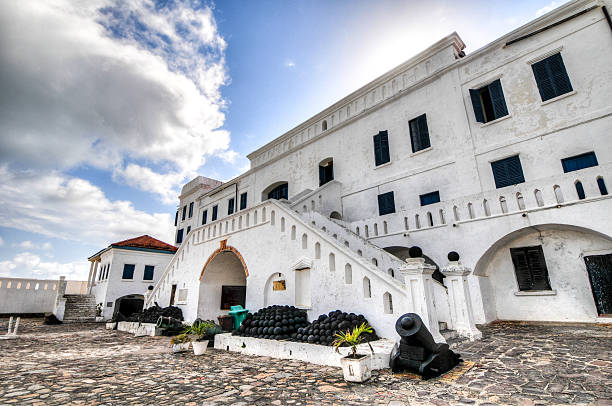
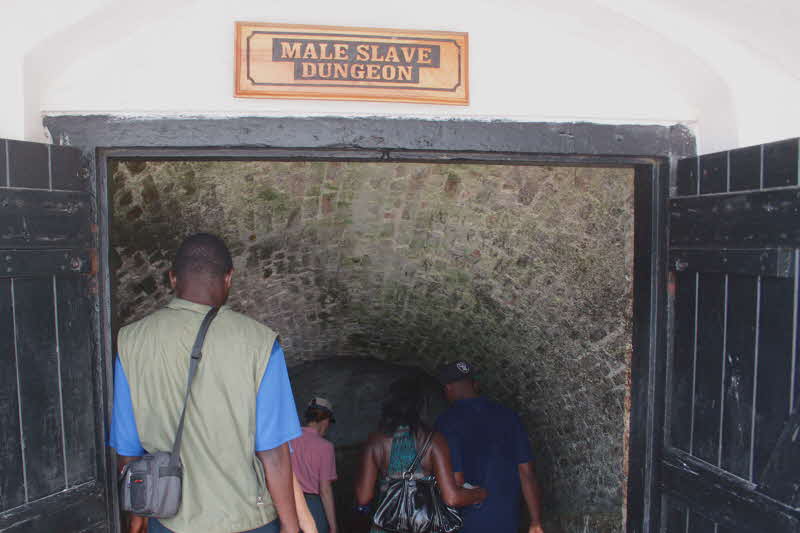
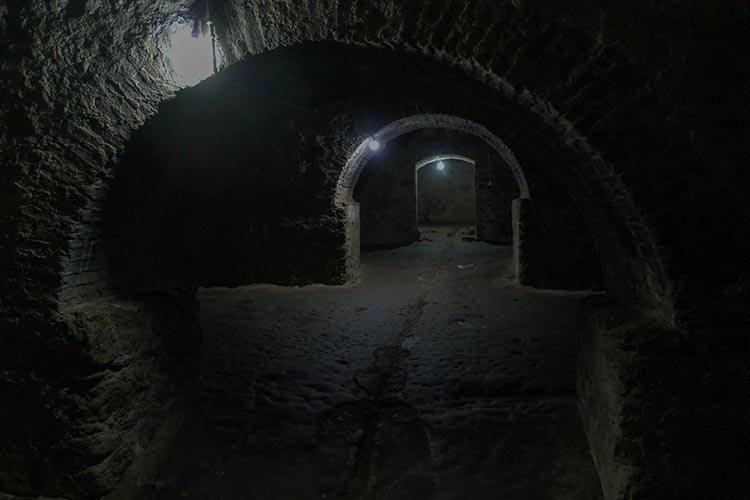

Cape Coast Castle, located in Ghana's Central Region, is one of about forty “slave castles” built by European traders on the Gold Coast. Originally a Portuguese trading post in 1555, it was later rebuilt by the Swedish Africa Company in 1653. The castle played a central role in the Atlantic slave trade, serving as the final stop for enslaved Africans before crossing the ocean. Today, it stands as a UNESCO World Heritage site and a powerful reminder of Ghanas history and resilience.
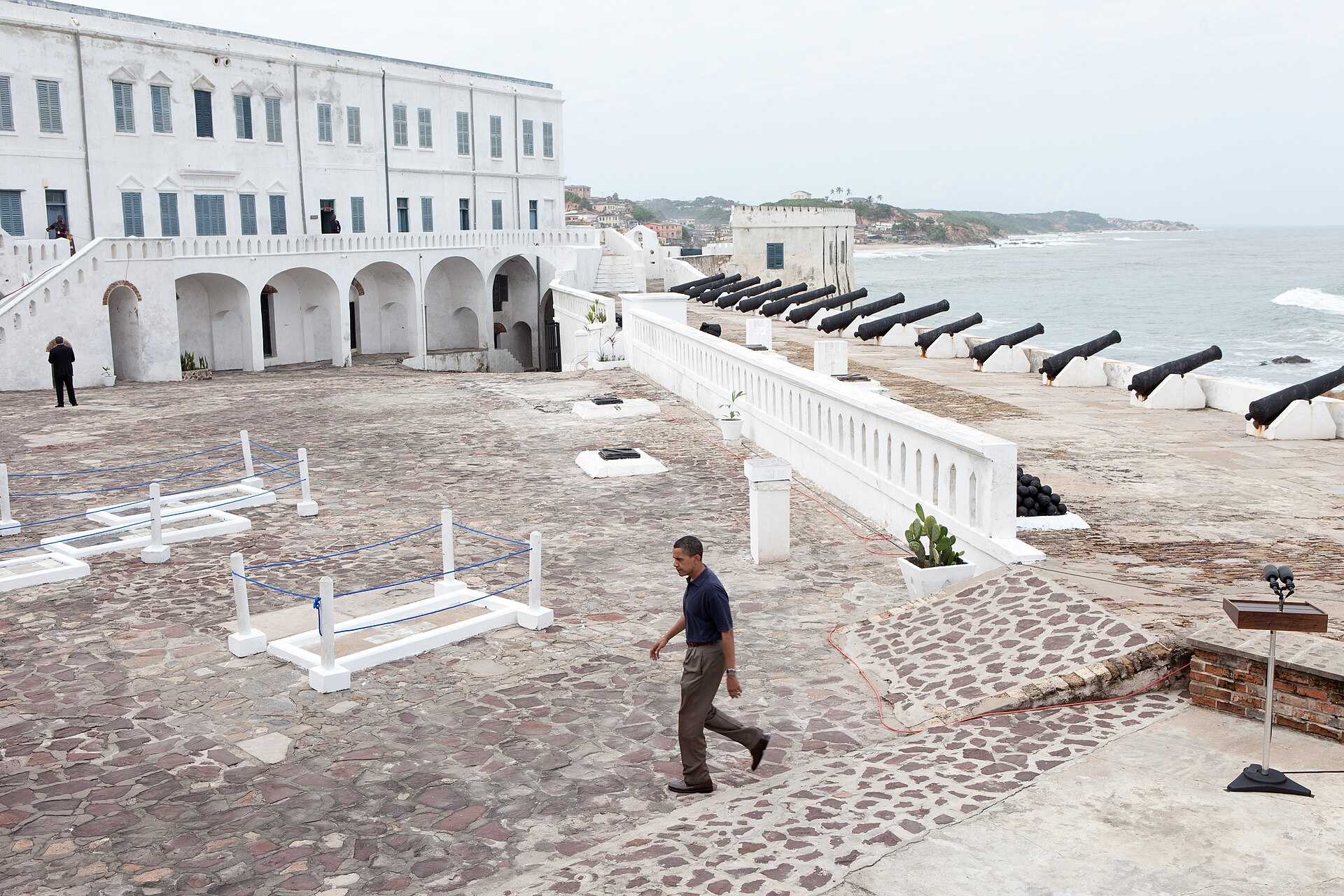
Cape Coast Castle, located in the Central Region of Ghana, was originally established as a Portuguese trading post called Cabo Corso in 1555. In 1653, the Swedish Africa Company built a timber fort named Carolusborg, which later passed through Danish, Dutch, and British control. By 1700, the British expanded it into a stone castle with dungeons that held enslaved Africans before their journey across the Atlantic.
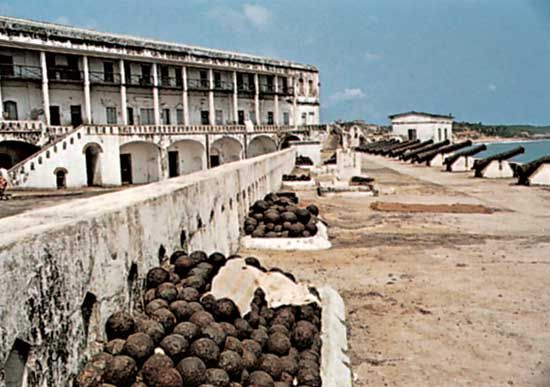
Beyond its historical role, Cape Coast Castle serves as a site of cultural and emotional connection. It allows descendants of the African diaspora to reconnect with their roots while preserving the stories, identity, and strength of a people. The castle stands as both a reminder of the past and a symbol of unity and resilience.
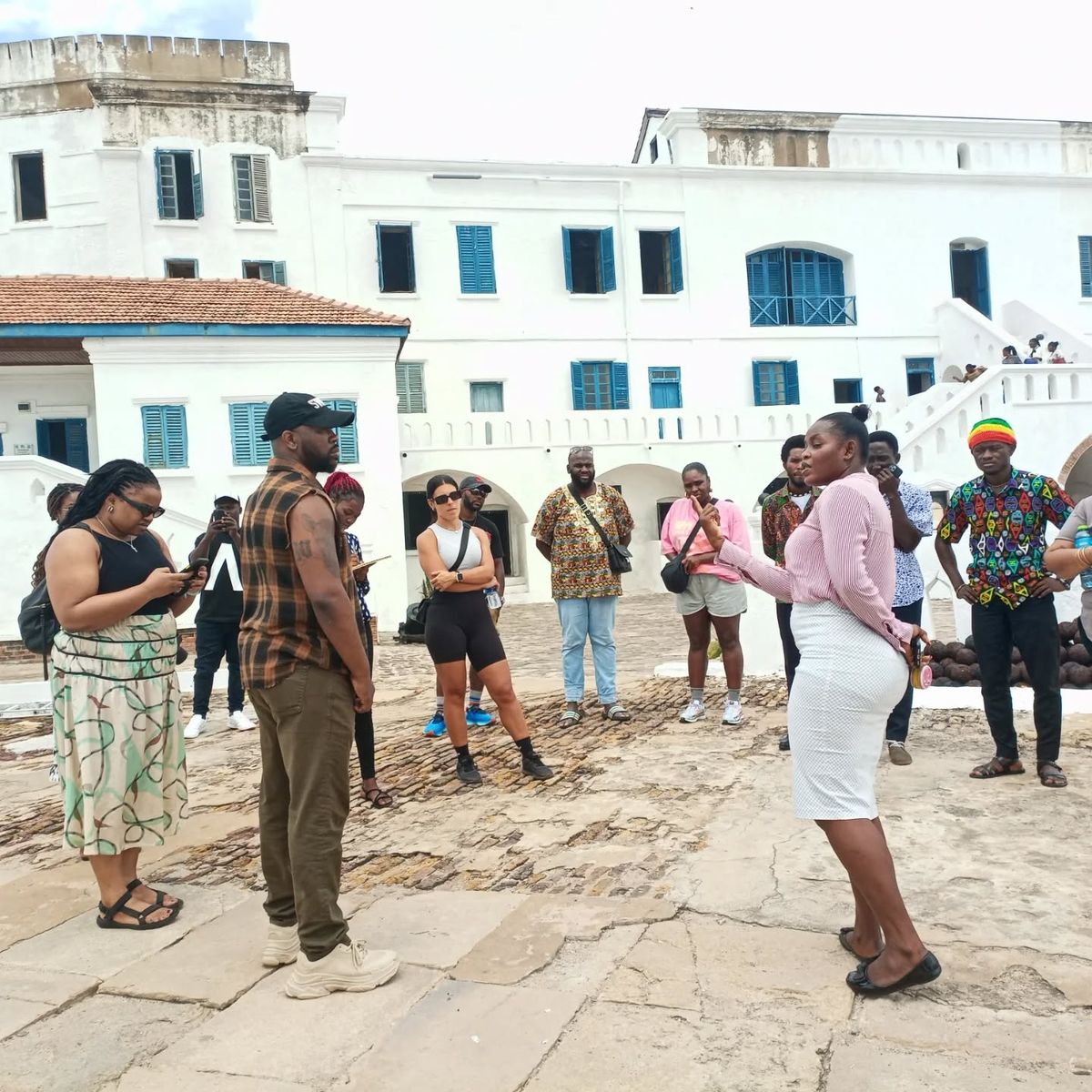
Located in the Central Region of Ghana, Cape Coast Castle sits along the Atlantic Ocean, offering visitors both historical depth and scenic coastal views.
Region: Central Region
City: Cape Coast
Location: Cape Coast, Central Region, Ghana (Coordinates: 5°06'13″N 1°14'28″W),
Daily: 9:00 AM - 4:30 PM daily
Ghanaian adults GH₵20; non-Ghanaian adults GH₵80; student rates available .
Morning or late afternoon Dry season from November to March for comfortable outdoor tours.