Stories Behind Ghana’s History

These stories go beyond monuments and names. They carry the voices of ancestors, leaders, and cultures that shaped Ghana’s identity and continue to inspire generations today.

Asante Buildings
History

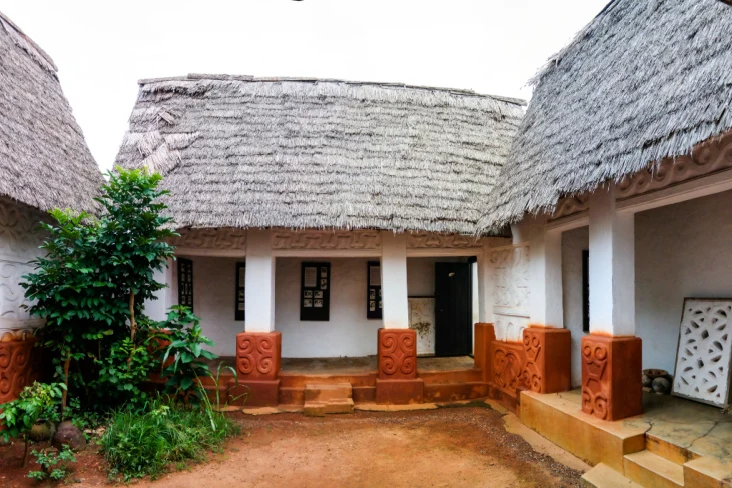
The Asante Traditional Buildings

The Asante Traditional Buildings are more than architectural structures — they are sacred symbols of a powerful kingdom that once shaped much of West Africa’s cultural and political landscape.

Built using natural materials such as wood, mud, and plant-based dyes, these structures reflect a deep harmony between humans and nature. Each building carries spiritual meaning and was carefully designed to preserve the identity of the Asante people.

“A people without culture are like a tree without roots.”

Today, these buildings stand as a reminder of resilience, identity, and the importance of preserving heritage for future generations.
Patrick Lumumba
Culture

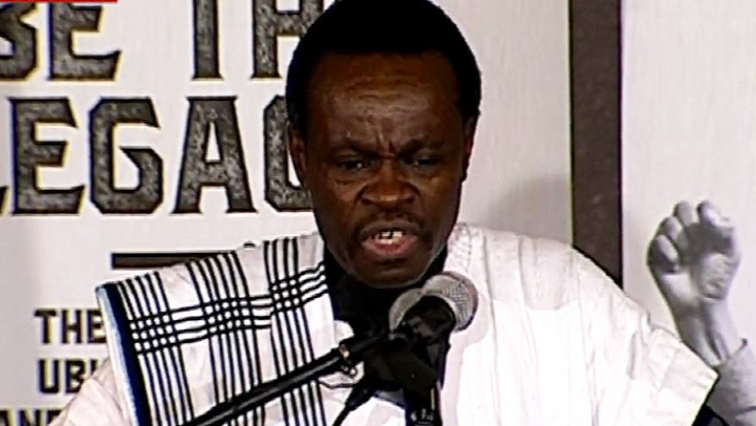
Professor Patrick Lumumba: Voice of African Consciousness

Professor Patrick Lumumba is widely recognized for his passionate speeches on African unity, leadership, and governance. His voice has become a symbol of intellectual courage across the continent.

He challenges Africans to rethink leadership, reject corruption, and embrace self-determination. His words continue to inspire students, leaders, and citizens who seek change.

“Africa is not poor. It is poorly managed.”

His message is not only political — it is philosophical. It calls for awareness, responsibility, and action toward building a better future.

Yaw Anokye Frimpong
Guide

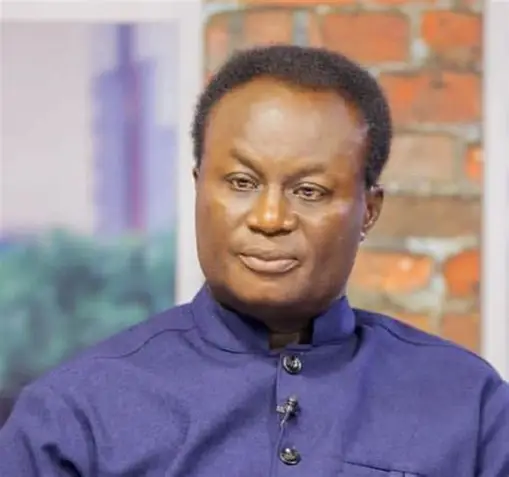
Yaw Anokye Frimpong and Historical Interpretation

Yaw Anokye Frimpong is known for his scholarly work and legal perspective on Ghana’s historical narratives, especially relating to the Ashanti Empire and colonial interpretation of African history.

His work encourages critical thinking and challenges historians to revisit how African stories are told and preserved.

“History is powerful — because whoever writes it shapes the future.”

Through his research, he encourages a more balanced and truthful understanding of Ghana’s past.